












FAQs
Several factors can influence insulation resistance measurements, including temperature, humidity, contamination, moisture, surface leakage, test voltage selection, and the condition of electrical connections. Even identical devices may produce different results under different environmental conditions. Following consistent testing procedures and using appropriate test settings can help improve measurement repeatability and accuracy.
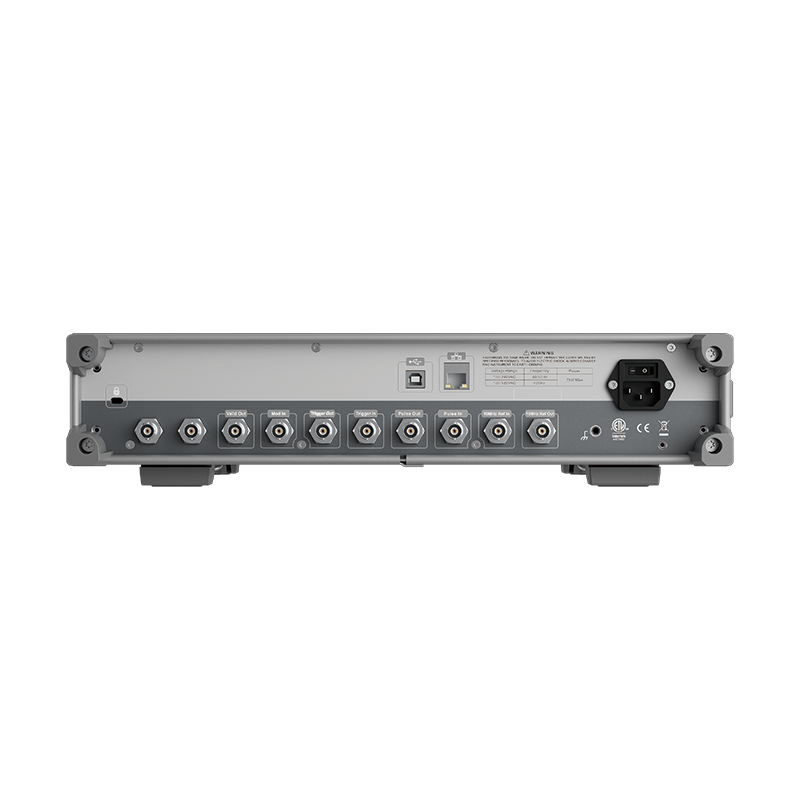
Yes. Many modern insulation resistance testers support communication interfaces such as RS232, LAN, USB, RS485, and Handler ports for integration into automated production and quality control systems. These capabilities allow manufacturers to perform automated testing, collect measurement data, and streamline inspection workflows. UNI-T insulation resistance testers are designed to support both standalone operation and automated testing environments where efficiency and consistency are important.
Although both methods evaluate electrical insulation, they serve different purposes. Insulation resistance testing measures the resistance of insulation under a specified DC voltage and helps assess insulation condition and aging. Hipot testing applies a higher voltage stress to verify whether insulation can safely withstand abnormal operating conditions without breakdown. Insulation resistance testing is often used for preventive maintenance and quality assessment, while hipot testing focuses on electrical safety verification.
The ideal insulation resistance tester depends on the required test voltage, resistance measurement range, accuracy, measurement speed, and application environment. Users should also consider automation requirements, communication interfaces, and the types of products being tested. UNI-T insulation resistance testers are available for laboratory use, production testing, maintenance applications, and automated manufacturing environments where reliable insulation measurement is essential.
Key specifications include test voltage range, resistance measurement range, measurement accuracy, leakage current measurement capability, reading speed, and interface options. Depending on the application, users may also consider programmable test functions, automation support, and data management capabilities. Selecting the appropriate specifications helps ensure accurate measurements and efficient testing workflows.
Insulation resistance testers are commonly used to evaluate electronic components, electrical equipment, transformers, motors, dielectric materials, wires, cables, connectors, and other products that rely on insulation for safe operation. These instruments help manufacturers and maintenance personnel verify insulation quality, detect degradation, and ensure products continue to meet reliability and safety expectations throughout their lifecycle.
Insulation resistance is a key indicator of electrical safety and reliability. Poor insulation can lead to current leakage, equipment malfunction, reduced efficiency, electric shock risks, and premature system failure. Regular insulation resistance testing helps identify developing insulation issues before they become critical problems. Maintaining adequate insulation resistance supports equipment longevity, stable operation, and compliance with electrical safety requirements.
An insulation resistance tester is an instrument used to evaluate the quality and condition of electrical insulation by applying a DC test voltage and measuring the resulting resistance. High insulation resistance generally indicates good insulation performance, while lower values may suggest contamination, moisture ingress, aging, or insulation damage. UNI-T insulation resistance testers help users verify electrical safety, product reliability, and insulation integrity across a wide range of applications.
Insulation resistance testing is used to assess the ability of insulation materials to prevent unwanted current leakage between conductors and ground. It is commonly performed during equipment maintenance, product development, quality inspection, and manufacturing processes. Engineers use insulation resistance testing to identify insulation degradation before it leads to equipment failure, electrical hazards, or reduced system reliability.
An insulation resistance tester applies a controlled DC voltage to the device or material under test and measures the leakage current that flows through the insulation. Using Ohm’s law, the instrument calculates the insulation resistance value based on the applied voltage and measured current. UNI-T insulation resistance testers provide stable test voltages and precise measurements to support accurate insulation evaluation across different products and materials.