











FAQs
An analog signal generator produces continuous RF or microwave signals with basic modulation capabilities. A vector signal generator can generate digitally modulated signals used in modern wireless communication standards such as LTE, Wi-Fi, Bluetooth, and 5G research. Engineers developing communication devices often choose vector signal generators when complex modulation and protocol testing are required.
Important selection criteria include frequency range, output power level, signal purity, modulation capabilities, frequency accuracy, phase noise, and connectivity options. The ideal signal generator should match the requirements of both current and future testing needs. UNI-T signal generators are available in multiple configurations to support a wide range of measurement applications.
RF signal generators are widely used in wireless communication development, receiver testing, antenna verification, radar research, aerospace electronics, automotive communication systems, and IoT device validation. By providing stable and repeatable RF signals, UNI-T RF signal generators help engineers evaluate device performance and ensure reliable communication system operation.
Signal quality depends on several parameters, including frequency accuracy, phase noise, harmonic distortion, output stability, and modulation performance. Lower noise and higher signal purity generally improve measurement reliability and testing accuracy. UNI-T signal generators are designed to provide consistent signal performance across a wide range of operating conditions.
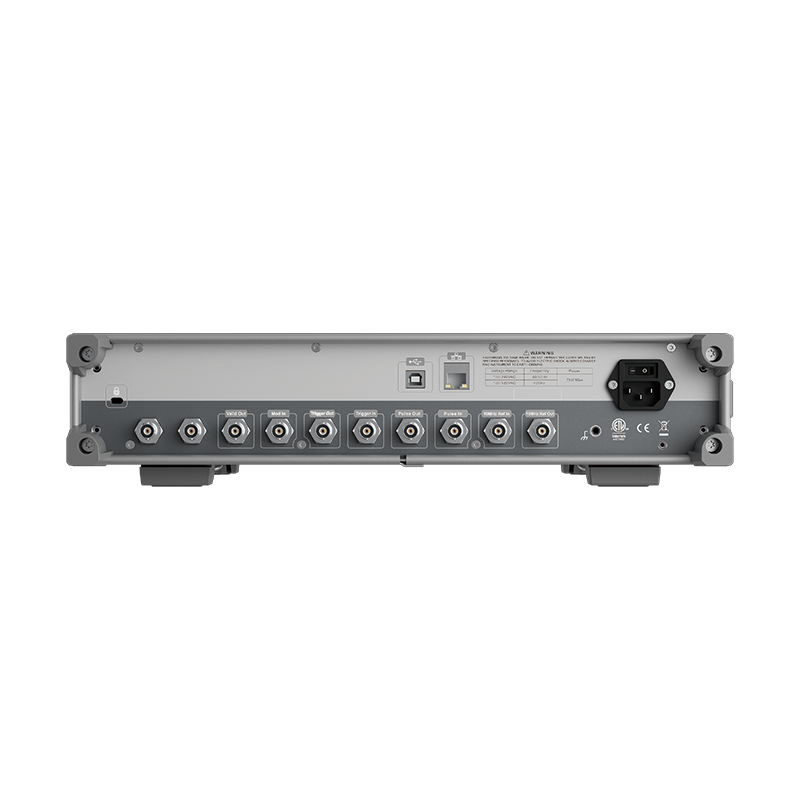
A signal generator is an electronic test instrument that produces controlled electrical signals with defined frequencies, amplitudes, and modulation characteristics. Engineers use signal generators to test, validate, and troubleshoot electronic circuits, communication systems, and RF devices. UNI-T signal generators provide stable and accurate signal output for applications ranging from basic circuit verification to advanced research and development.
Signal generators are commonly used to simulate real-world signals for testing electronic equipment and communication systems. Applications include receiver sensitivity testing, amplifier characterization, RF component validation, wireless communication development, and educational laboratory experiments. UNI-T signal generators help engineers evaluate system performance under repeatable and controlled conditions.